

Humanitarian aid in Ukraine: our intervention
The conflict in Ukraine, which began in February 2022, saw us intervene immediately with humanitarian aid to help people forced to leave their homes in various parts of the country, activating our local partners from the very beginning and subsequently establishing a stable presence to respond to the emergency.
The conflict has generated a complex and prolonged crisis: civilian infrastructure has been severely damaged, with buildings destroyed in urban centres and thousands of homes damaged or razed to the ground. Millions of people have lost everything and have been forced to seek protection in safer places, often leaving the country.
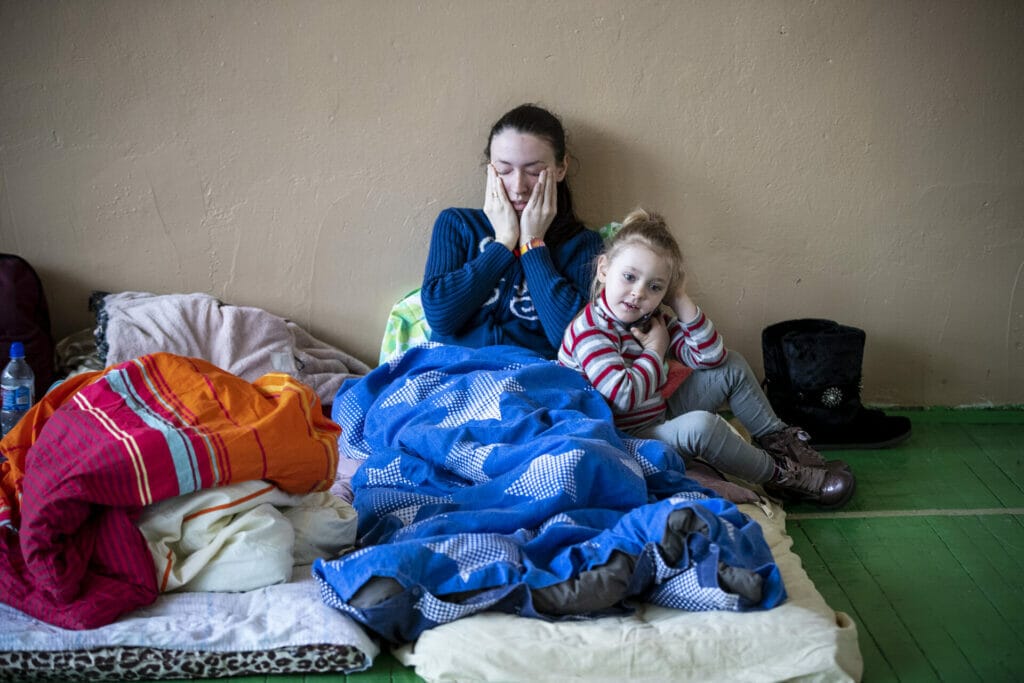
Many still live in temporary shelters or reception centres, often exposed to the danger of military attacks by drones, missiles or mined areas: this insecurity makes it difficult to return to normal life. The severe impact of losing their homes, families and friends is compounded by a chronic lack of essential goods and services, such as electricity and heating to get through the harsh winters, and access to medical care in remote areas. In addition, many children and adolescents are unable to access quality education services, with many of them forced to attend classes remotely.
What we are doing to bring humanitarian aid to Ukraine and ensure protection
We at WeWorld have been active since the beginning of the emergency in Ukraine with a humanitarian intervention aimed at responding to the essential needs of the population affected by the conflict, particularly in the most remote and therefore vulnerable areas close to the front line. Together with ChildFund Alliance, we are supporting those who have decided to leave Ukraine and those who, despite the difficulties, have chosen to return to the country. Today, we are operating in the areas of Kyiv, Kherson, Mykolayiv, Kharkiv and Donetsk, providing support to the most vulnerable people with shelter, food, medicine and necessities.
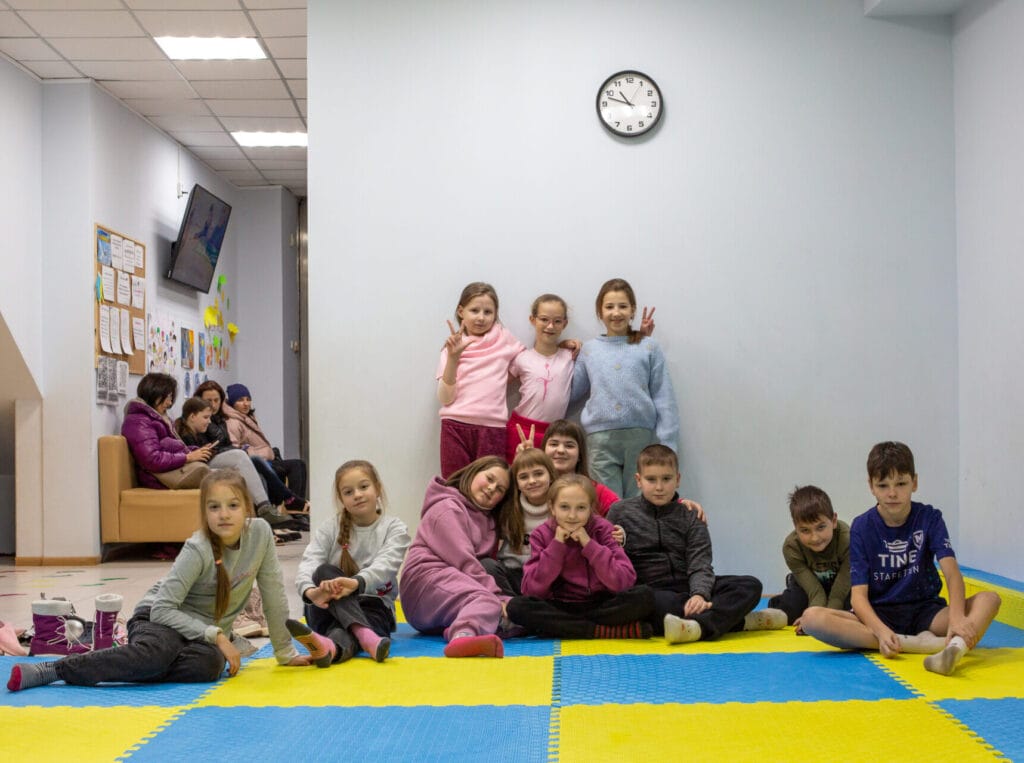
We have created Child Friendly Spaces where children who have been left without schools or places to play due to the bombing can feel safe and play again. In these spaces, we also offer educational activities and psychological support. In addition, we provide specialised equipment to respond to the most urgent emergencies.

From Kyiv, we coordinated the distribution of financial aid and responded to the winter emergency by delivering kits containing heaters, blankets and coats, especially in the northern parts of the country. In the city of Irpin, for example, we have supported more than 2,400 people, including displaced persons, families who have returned and those who have never left their homes despite the attacks. After the liberation of the Kyiv region, more than a million people returned home.
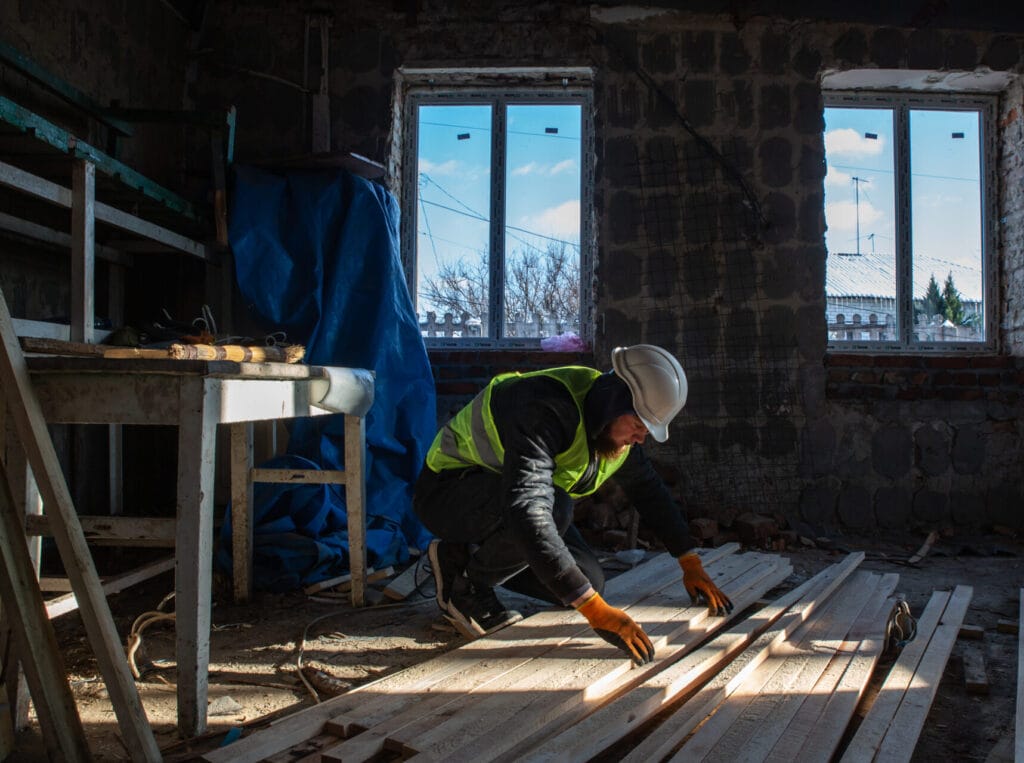
In the eastern regions of Kherson, Mykolayiv, Kharkiv and Donetsk, along the front line, we are carrying out multi-sectoral interventions for the most affected people. Our work focuses on ensuring access to clean water and sanitation and providing direct assistance to women, the elderly and families in need. We distribute personal hygiene kits designed specifically to meet the needs of women and older people. At the same time, we are also involved in repairing damaged water infrastructure, including cisterns, toilets, water filtration systems and water systems in medical centres and hospitals.
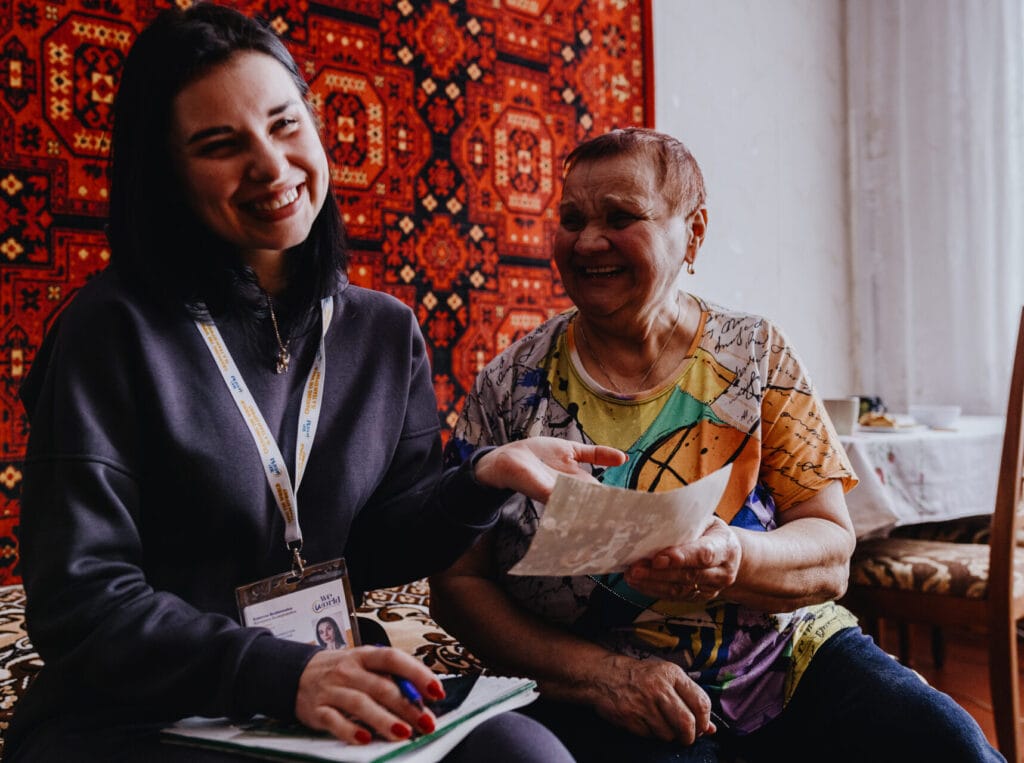
Our commitment also extends to direct financial support: we offer cash assistance to vulnerable families, particularly those with health, protection and care needs for their loved ones. We also offer psychosocial support to adults and children and organise awareness-raising activities on the risks associated with mines and unexploded ordnance.
At the same time, until 2025, we have also been working in Moldova, where we have offered support and shelter to refugees who have left Ukraine due to the conflict. Here, we have collaborated with local and international actors to ensure shelter, access to essential services and the integration of the most vulnerable individuals in safe environments.
Humanitarian aid in Ukraine: the role of women in decision-making
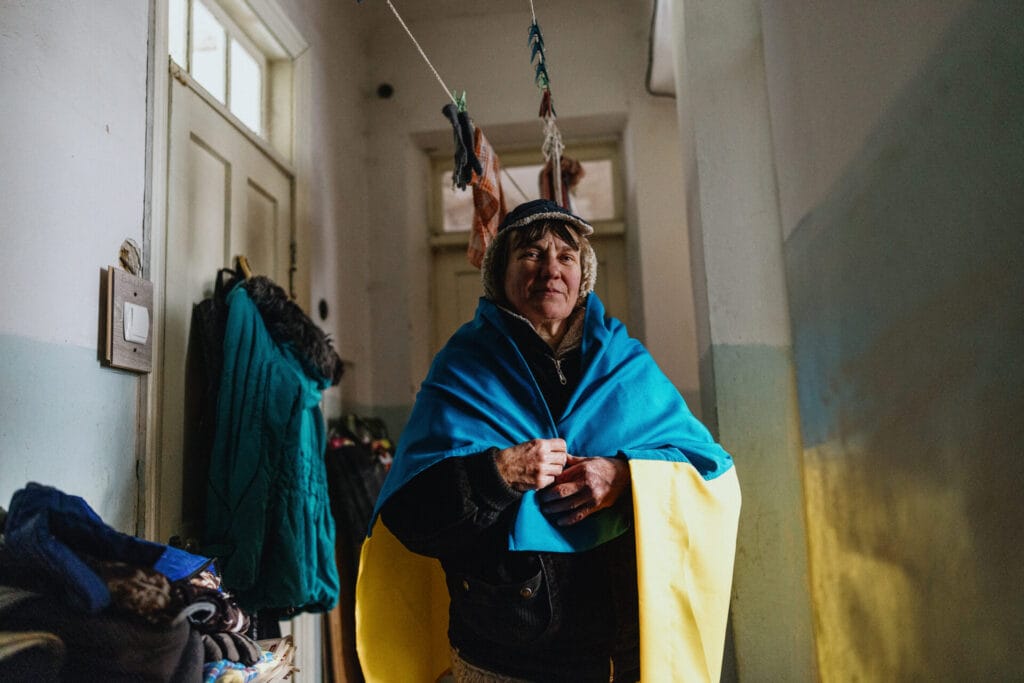
During the emergency in Ukraine, women played a central role in keeping communities affected by the war together. With many men engaged at the front, women increasingly took on the care of children, the elderly, and people with disabilities or chronic illnesses, often in extremely precarious conditions and without institutional recognition or support.
Despite their fundamental contribution, women and girls continue to be excluded from decision-making processes concerning humanitarian response and strategies for the country's reconstruction. This marginalisation also makes the interventions themselves less effective, as they do not consider the specific needs and rights of half the population. We discuss this in our report Her Future at Risk – Gender-Transformative WASH Programming in Wartime Ukraine.
At WeWorld, we work in Ukraine in the WASH (water, sanitation and hygiene) sector. Our projects are not limited to distributing kits or repairing infrastructure, but aim to strengthen the autonomy, safety and dignity of women by promoting their active participation in the planning and management of services.
Involving women is not just a matter of justice: it is a necessary condition for making humanitarian aid more effective and sustainable. Where women actively participate:
- WASH infrastructure is restored and maintained more efficiently;
- sanitation facilities become safer and more accessible for all, especially for girls in schools;
- communities strengthen their resilience because they are more cohesive and inclusive.
For this reason, our commitment in Ukraine is geared towards transforming systems based on the rights and needs of those who are often marginalised, building more just, inclusive and effective humanitarian responses. This is why promoting menstrual health is an integral part of humanitarian aid in Ukraine, because it means ensuring that every person can manage their menstrual cycle with dignity, safety and without stigma, even in the most critical contexts.
War through the eyes of those experiencing the emergency in Ukraine
Behind every humanitarian intervention are personal stories that tell of the strength and resilience of those who face the consequences of war every day. At WeWorld, we work alongside people affected by the conflict in Ukraine and, through various projects, we bring their testimonies, often left on the margins of the narrative on the conflict, to the forefront.
These include the first publication, in 2023, of WeWorld Stories in collaboration with photographers Simone Proietti Marcellini and Antonio Romano of the GAZE Collective. WeWorld Stories 001 is a compendium of stories of citizens of Irpin, a city in the Kyiv oblast that was among the hardest hit by the outbreak of the conflict. We also told their stories through the episode of the podcast 'Vite Sospese. Quotidianità in crisi' (Suspended Lives. Everyday Life in Crisis), which we produced together with L'Espresso. The protagonists of this episode were Nataliia Kavetska, linguistic-cultural mediator in our WeWorld Women's Spaces, and Guido Manneschi, former country representative in Ukraine.
In February 2024, together with videomaker Alessandro Parente, we met our staff in the field and the people we work with in the Kharkiv oblast to hear their stories of resilience and hope for a return to normality. We collected their voices in the short film “Kharkiv: 2 and 3 years later”, released in February 2025, close to the third anniversary of the outbreak of the conflict.
Even today, communities closest to the front line, such as those in the Kharkiv area, continue to survive in extremely precarious conditions. We met them in 2025 together with photographer Hugo Weber, who, through his lens, captured an intimate, human and powerful glimpse into the lives of those who remained in Ukraine, choosing to resist. Discover the photographic project ‘Kharkiv – Among the Ruins’, funded by the Italian Agency for Development Cooperation.
Among the stories collected is that of Vasyl, who was our Project Officer WASH Expert in our team in Ukraine. Originally from Donetsk, Vasyl experienced the start of the conflict first-hand in 2014, when the war in Donbass forced thousands of people including his family to leave their homes.
The impact of war and the role of humanitarian aid in Ukraine: our research
The war in Ukraine continues to disrupt the daily lives of millions of people, leaving deep scars on a human, social and economic level. The publications produced by our Study Centre offer a direct and documented insight into the reality experienced by the affected communities, highlighting the consequences of the conflict and the still urgent needs.
Through analysis, testimonies and data collected in the field, we help to raise public and institutional awareness of the importance of humanitarian aid in Ukraine, highlighting the crucial need for a timely and effective response, but also for fair, inclusive and sustainable reconstruction.


