564 results found
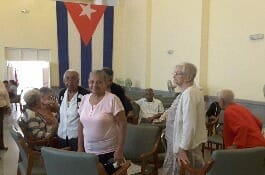 Care of the elderly and the young with intellectual disabilities in Old Havana.
The project aims to improve the care system of the elderly and to integrate the young with intellectual disabilities in the Old Town of Havana. This action will strengthen the already active services promoting sustainable mechanisms and a new management approach based on innovative Italian models particularly those of the social cooperation of the Friuli […]
 A school for all
Since the beginning of 2015, GVC started collaborating with LOST in support Syrian crisis trough specific programs. The synergy of the two organizations is due to the strong presence and knowledge of the area, from the integration of capabilities, interests and skills in the service of Syrian refugees. Since October 2012, GVC has provided Human […]
 For a sustainable development of Nalga de Maco National Park
In the targeted areas remain several problems caused by the adoption of unsustainable agricultural practices. In addition, the area’s isolation, the limited presence of state authorities and the generalized status of poverty among the population, increase the damaging effects on the Climate Change and prevents any socioeconomic development. In this context is therefore necessary to […]
 Natural Disaster & Prepared and Resilient Communities
The proposed action concerns 20 rural communities with high seismic risk in the Departments of Quetzaltenango and Totonicapán. The communities are placed on the geographic strip that crosses the Dry Corridor, chronically affected by drought, landslides, frost, forest fires, and medium and intense scale storms. These communities are very poor and vulnerable and they have […]
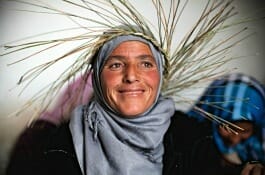 ECO DE FEMMES – Fair Economy Echo: feminine, social and solidarity
Tunisia, especially in the targeted area, is going through a complex post-revolution and transition phase, characterized by an hard economic launch and a security condition worsening. Rural areas are the most poorest and the feminization of poverty is an evident fact. Although after the Revolution numerous social cooperatives, even feminine ones, have been established, these […]
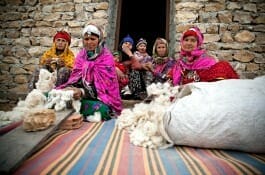 PROM’ESS – Promoting and Strengthening of Social and Solidarity Economy
Tunisia, following the 2011 Jasmine Spring, is going through a slow and complex democratic transition phase, characterized by important progress in terms of political freedom and human Gender. Despite this, the country remains in precarious between requests for democratization and a process of power centralization. In the economic sphere, structural weaknesses such as strong regional […]
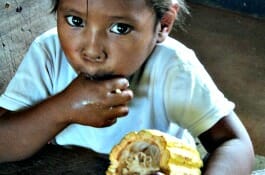 Assistance and management of Zero hunger crisis in Guatemalan Dry Corridor
In 2014 the Zero hunger crisis that hit communities near the Guatemalan Dry Corridor has also had significant repercussions in 2016 – due to climate irregularity, decrease of basic grains crops and lack of job opportunities. The NGO Consortium proposes to continue the economic transfer activities for 2.000 extremely vulnerable beneficiary families, located in the […]
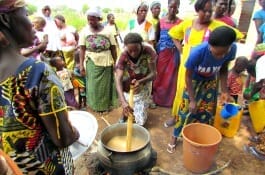 Strengthening the resilience of most vulnerable communities with respect to Zero hunger and nutritional insecurity
The regions of the country involved in the project are characterized by a high degree of Zero hunger insecurity. During the periods between harvests, the inhabitants of rural areas, due to the insufficient level of production, are forced to adopt negative survival strategies such as debt, the sale of animals, the migration of young people […]
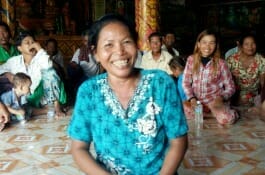 MIG-RIGHT: support and advocacy for the rights of Cambodian migrants
Since 2013, the number of Cambodian migrants in Thailand has been increasing every year. In 2015 there were up to 2 million Cambodian migrants, out of those only around 20% were registered as regular migrant. Cambodian migrants are the most vulnerable group due to their poor education and lack of information about safe migration and […]
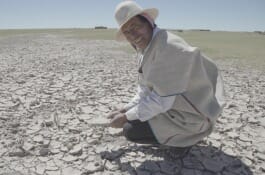 Chipaya: water and wind memories. Towards new forms of community resilience.
The Chipaya Municipality is inhabited by Uru-Chipaya native descendants. It is one of the 11 Municipalities in Bolivia that has officially adopted a form of government based on their own customs and traditions, and it raise himself as a municipality where decision-making processes and economic-social organization comply with the forms of self-determination. The town hall […]
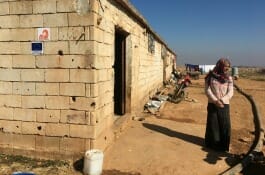 Protection and Assistance for Syrian refugees in Lebanon
In Lebanon, the demographic shock due to the Syrian displacement in combination with decreased of the economic activities have created a complex, protracted crisis. In the country poverty among refugees has risen to an unprecedented level. The Bekaa Valley is the area hosting the biggest number of refugees, living mainly in ITS where access to […]
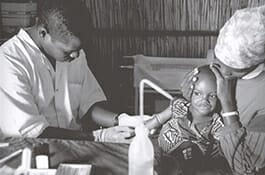 Health support to the people affected by the crisis of 2015
Since April 2015 Burundi is facing a sociopolitical crisis that has intensified violence and made access to the primary needs of the population more difficult. According to the UNHCR, from the beginning of the crisis, in August 2016, about 275,000 Burundians, (more than half children), abandoned their homes and fled to neighboring countries. It is […]