564 results found
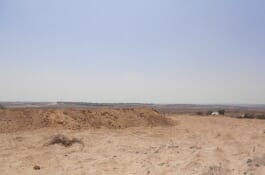 Making wastewater an asset to the increasing of agricultural production
Given the worryingly Zero hunger insecurity conditions of the Palestinian household living in the beneficiary area, the project will enable the use of wastewater for agricultural reuse and implement capacity building and awareness-information programmes. These activities will increase and stabilise olive oil yield and production.
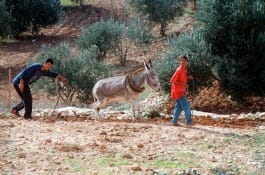 From water to trades: a challenge for small breeders and female producers from the West Bank
Given the particular situation in the West Bank, that includes mobility restrictions and the lack of access to basic services for the population, the project aims to improve the accessibility and management of resources, to the productivity growth through technical assistance, training, support the ability of market penetration of products deriving from animal farming, dairy […]
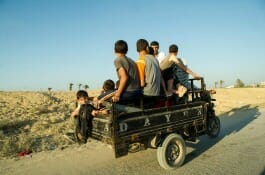 Restore the access to safe water in the Gaza Strip
The initiative takes place in the post-war context that followed the Israeli military operation “Protective edge” in Gaza Strip that damaged the private and public infrastructures. The lack of access to clean drinking water, shortage of water for sanitation as well as major damages to sewage systems pose risk of water borne diseases and related […]
 Human mobility support to Syrian and Lebanese population
Given the prolonged nature of the Syrian crisis and the presence of high unmet needs, the project will address the critical humanitarian WASH needs of up to 15.525 of the most vulnerable Syrian and Lebanese households living in under-served districts of North Beqaa Valley in Lebanon. The project will ensure that targeted families have the […]
 Agua Sana
The project, that improved the sanitary and hygienic conditions of the population of Sud-Yungas Province by strengthening the infrastructure and by awareness-raising campaigns, brought benefits to the 32,000 inhabitants of the municipalities involved and to the 6,000 children who obtained a service of School Medicine.
- Creation and Consolidation of Cooperatives
Through new cooperatives and a better management of consortia, the productive system based on the traditional activities of six native communities of Kolla ethnicity living in vulnerable socio-economic situations in the Province of Jujuuy has been improved.
- High Yield Production in the Forest Area of Namaacha
The project worked in benefit of 150 families, and indirectly of the 16,000 inhabitants of the local communities living in areas immediately surrounding the forest, who survive through subsistence farming, by promoting a sustainable use of natural forest resources and by supporting the local agricultural production.
- Fight Against HIV
The project is addressed to the rural communities of Namaacha (Maputo) and Pemba (Cabo Delgado), in particular to healthcare centres staff members, associations health care centre personnel, domestic care associations, local authorities, students, adolescents, schools, HIV positive individuals and those with AIDS along with their families, but also small agricultural production cooperatives and the general […]
- Health and Nutrition in the Bujumbura Province
The project reinforced the local health staff members capabilities to prevent and cure endemic diseases in the Province of Bujumbura and improved the access to health services by the rural population.
- A world of solidarity in a cup of coffee
By creating and reinforcing the cooperatives of coffee and promoting a sustainable and gender-based development model, the project involved 1.400 people, considering the families of the members of UCA cooperatives, 278 members of the 9 basic cooperatives; the 121 board members of these cooperatives; their 20 administrative directors and union directors.
- Nutritional Promotion and Fight Against Malnutrition
The project was aimed to the Community Health Agents (ASC), to the health care workers and the community leaders to strengthen their expertise in the field of prevention and malnutrition. Thanks to the reinforcement of sanitary structures and training activities we could assist children under the age of 5, pregnant or breast-feeding women.
- Educational Activities for Socially High-Risk Adolescents
The project addressed to the 80.000 adolescents and young people of the 4 municipalities involved, bringing benefits to the entire population of the area of the action (242.222 people). In particular the project involved adolescents and young people deprived of their liberties, at high social risk, the members of authorities responsible for the juvenile criminal […]