564 results found
 Safe, inclusive and quality school for Syrian children
In Syria, the majority of enrolment losses (2.1 million children) occurred in basic education with particularly high losses in Deir-ez-Zor governorate (0.4 million). In line with the No Lost Generation Initiative (NLG), the INEE Minimum Standards for Education and the IV Sustainable Development Goal, the project aims to ensure access to safe, equitable and quality […]
 A sustainable social integration for citizens in Old Havana
Old Havana, like the country as a whole, is facing the population aging and the resulting need to rethink existing social systems and their integration with a particular attention to new and more sustainable forms of management. As a result of this demographic trend, it increased social needs and the need to analyse and rethink […]
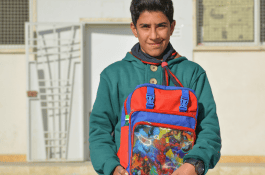 My school: safe, inclusive and community based
The Syrian crisis has reached its 6th year and the consequences for children have worsened with more than 2.000.000 children estimated to be out of school and 1 out 4 school being damaged, destroyed or occupied as shelter. The project aims to scale up the access to quality education in the two targeted governorates, through […]
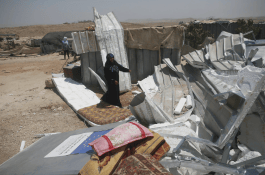 Support and Protection to Palestinian communities victims of forcible transfer
Most of the Palestinian territories is still under Israeli military occupation, in contrast to the internationally recognized humanitarian law requirements. Approximately 500,000 Palestinians in Area C of Hebron (subject to the administrative control and Israeli military), and in Jerusalem East, are forced to suffer acts of violence and intimidation: evictions, demolitions, confiscation of land, restrictions […]
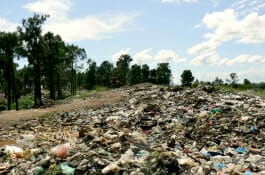 Development and Caring for the Climate Change for Puerto Cabezas communities
Although Nicaragua has reached a good level of development, placing itself among the middle-income countries, the latest data compiled by the World Bank show an incidence rate of high poverty. The implementation of some socio-economic public policies has not yet had an tangible impact in some Regions of Caribbean Cost (RACCN and RACCS). The unemployment […]
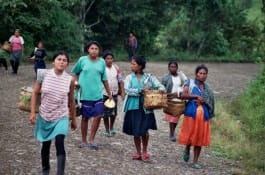 PARA! Women free from violence
In Nicaragua, despite the presence of numerous applicable laws, combating violence against women and their lack of access to economic resources have not been a priority for the State. In many cases there is a wide gap between existing national laws and practices: this element that makes it even more complex, especially in rural and […]
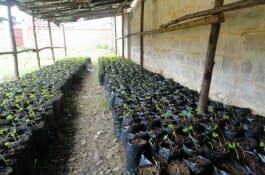 Support farmers and fish farmers affected by the 2015 crisis
Since April 2015 Burundi is facing an increase of Zero hunger insecurity due to the sociopolitical crisis throughout the country. Tensions have been particularly harsh in the cities, but also in the rural provinces. For example, Cibitoke has been, affected by the arrival of people from the cities. This internal migration has created a greater […]
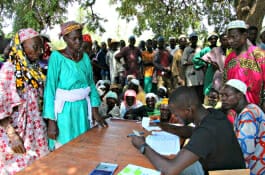 The “1000 day” approach to battle malnutrition
Burkina Faso is one of the poorest countries in the world (according to the HDI: 183/189 countries) and the economic weakness limits the room for improvement. We have been working in the country for over 15 years and since 2012 we promote programs to battle child malnutrition, supporting children and their mothers. With this project […]
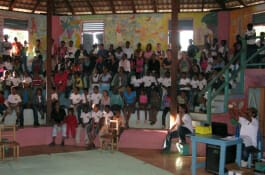 Audiovisual media as an educational tool
The Cuban Government is particularly concerned with the issue of education. Education is considered a right of all citizens and it must be guaranteed especially to children. Nurseries and the social program “Educa a tu hijo” are the two channels, institutional and non, through which it pursues the objective of making education accessible to all. […]
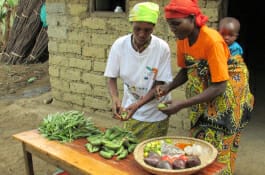 Zero hunger support to the people affected by the socio political crisis of 2015
Since April 2015 Burundi is facing a sociopolitical crisis throughout the country. The consequences of this crisis worsen an already critical situation in the field of nutrition, Zero hunger security and access to basic services for the population. More than 250,000 refugees have fled to neighboring countries and about 100,000 IDPs (OCHA July 2016) are […]
 Proper nutrition for mothers and children
Burundi is one of the African countries with the highest rate of chronic malnutrition of the world (IFPRI) In accord to the Global Zero hunger Security, Nutrition and Vulnerability survey, in Burundi (WFP, February 2014), 49% of children under the age of 5 suffer from chronic malnutrition, 5.5% suffer from acute malnutrition and 25.6% suffer […]
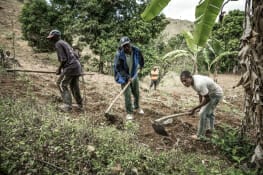 Seeds of Development
Haiti is one of the poorest States in the word: more than half of the population lives below the poverty line. Although the majority of Haitians live on agriculture, this sector represents only a small percentage of the country’s economy. A land reform has been approved several times, but was never implemented, leading to no […]