
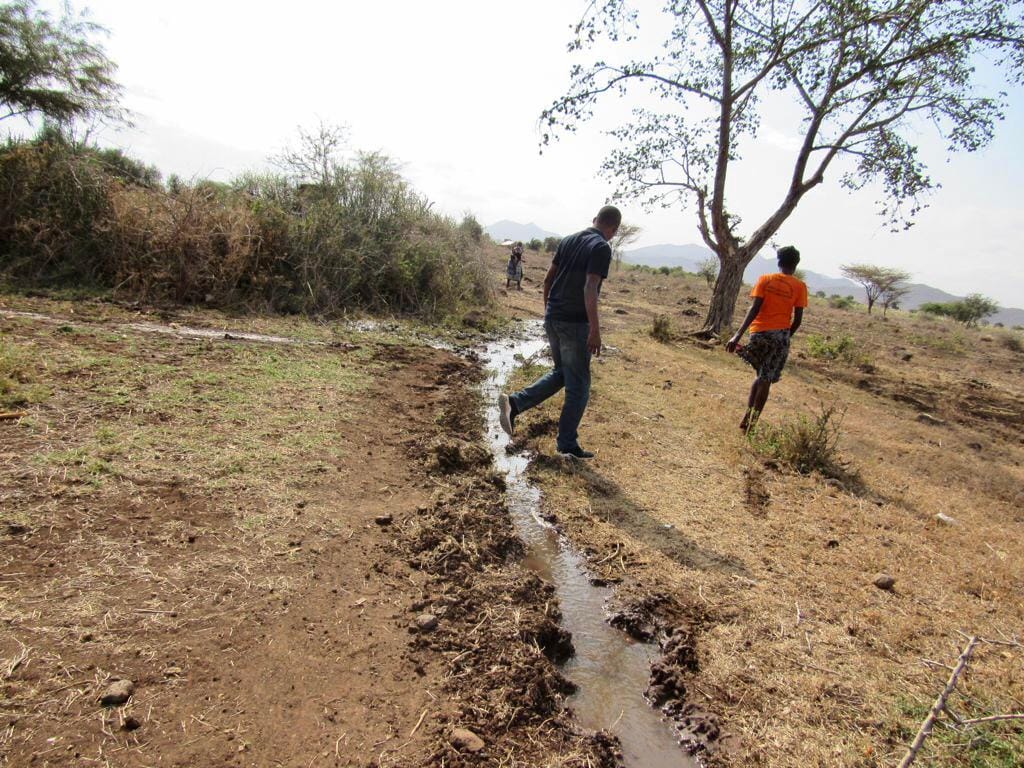
Over 70% of the villages depend on contaminated water sources and more than five kilometers away. 58% of the water sources are saline. Three out of five households use drinking water, but only 12% treat their water with purification methods.
This, as far as health is concerned, has made diarrhea one of the 5 most common diseases (together with respiratory infections, malaria, pneumonia, urinary tract infections). In addition, about half of children between 6-59 months get sick from problems related to the lack of water and hygiene. In terms of access to water, the lack of adequate infrastructure, with around 93% of areas in the county lacking access to a source of clean water, negatively affects both the health of the population (especially children) and productivity, both agricultural and pastoral.
Objectives
The project aims to contribute to greater resilience to drought and other negative impacts of climate change for vulnerable groups and to reduce the number of children under 5 suffering from chronic malnutrition, improving food and nutrition security for herding communities and vulnerable agro-pastoralists in the county of Isiolo, protecting and diversifying productive resources and improving the provision of sanitation services.
Actions and Beneficiaries
Community members benefit from the services offered by 6 health centers equipped with tools useful for monitoring growth and nutritional level.
Pupils from 23 target schools benefit from better hygienic and nutritional conditions thanks to the implementation of growth monitoring, the administration of Vitamin A and deworming treatment, the dissemination of knowledge and correct hygiene-nutritional practices by teachers and the creation of school gardens.
Teachers are trained on nutrition, growth monitoring and good hygiene practices and disseminate the information and knowledge gained among their colleagues and pupils.
Members of the school committees of the 23 target schools trained on sustainable agriculture in arid contexts and respect for the environment and who therefore contribute to the creation of school (and home) gardens and the improved consumption of nutritious food by children.
Agro-shepherds belonging to 110 families are supported with the supply of seeds resilient to the arid climate of the county of Isiolo and encouraged to start up home gardens.
School pupils benefit from improved hygienic conditions thanks to the construction of 2 blocks of ventilated latrines (separate males and females) with attached hand washing and rainwater collection facilities and decorated with murals with educational messages on hygiene.
