

World Index 2026. Safe Enough to Have a Future
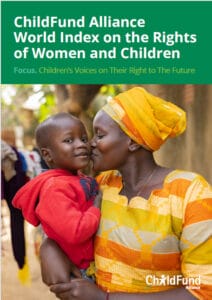
When children are asked where they feel safe, they rarely name a place. More often, they name a person. A classroom, for example, may feel safe when a trusted teacher is present, and less so when that same adult is absent. This is one of the starting points of the ChildFund Alliance World Index 2026: Safe Enough to Have a Future, which explores how children's safety depends not only on physical environments and legal frameworks, but also on relationships and access to effective support.
As a member of ChildFund Alliance, we contributed to the report, which combines a structural assessment of 134 countries across 30 indicators with the experiences of more than 3,000 children in 27 countries. Through a global consultation and participatory “Safety Mapping” activities, children identified safe and unsafe places in their communities, the people they would turn to for help, and what they would change to feel safer.

WeWorld involved children in countries where it has a long-standing presence, including Palestine, Syria, Ukraine, Mozambique, Mali, Burkina Faso, Kenya, Tanzania, Cambodia and Italy. Many of these contexts are affected by overlapping crises, from conflict and climate change to social unrest, making children's perspectives particularly important to understanding how safety and protection are experienced in different settings.
One of the report's key findings is that having a trusted adult does not always mean having access to protection. Although most children say they have someone they can rely on, more than one in five of those who feel closest to a trusted adult do not believe they could get help in a crisis. Trust needs to be backed by accessible services, effective support systems and responses that reach children when they need them.
The report looks beyond immediate protection, focusing on children's right to the future: the right not only to grow up safe, but also to develop aspirations, exercise agency and have a say in shaping their own lives. By bringing children's experiences into the debate, the report aims to inform policies and strengthen the systems and programmes that make their rights a reality.