
In Narok, where the Maasai community has preserved its rich cultural heritage for generations, parenting has traditionally been a shared, community-centered responsibility. Children are raised not only within a family, but also through deeply rooted customs that shape identity, resilience, and belonging. However, some long-standing practices, such as child marriages and rites of passage like FGM have over time posed significant challenges to children’s education, especially for girls.
Recognizing that the family is the most influential agent of socialization, the Pamoja Tudumishe Elimu (PTE) project has placed caregivers at the heart of its interventions. Implemented by WeWorld in partnership with Education Above All Foundation’s Educate A Child program, with support from the Qatar Fund for Development, the three-year project has been promoting inclusive and quality education for learners at risk of dropping out in Narok and Migori counties.
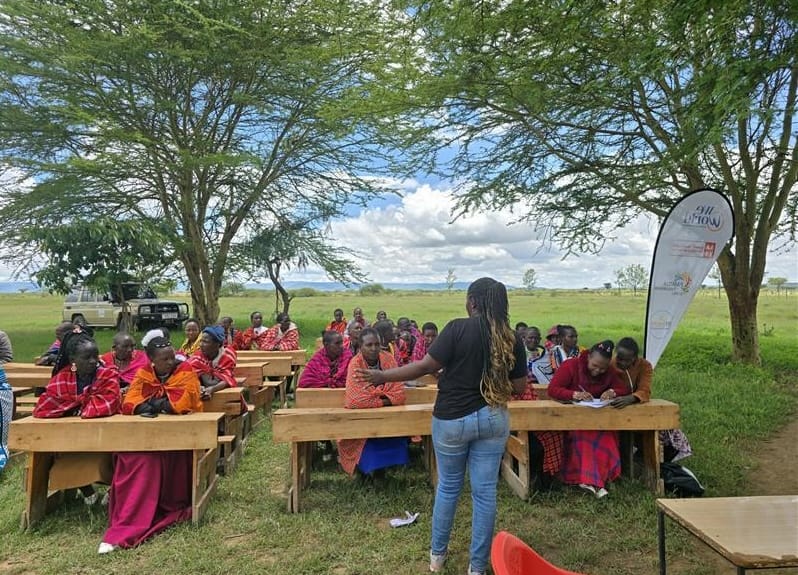
At the core of this effort were positive parenting and counselling sessions, designed to reshape perspectives around child upbringing. These sessions created safe spaces, where parents can openly discuss sensitive topics, such as teenage pregnancies, school dropout, substance abuse, and harmful and retrogressive cultural practices. Facilitated by officers from the Children’s Department, Gender and Ministry of Education, the dialogues gently bridged tradition with modern child-protection frameworks, referencing key legal protections, such as the FGM Act (2011), the Children Act 2022 and the Sexual Offences Act.
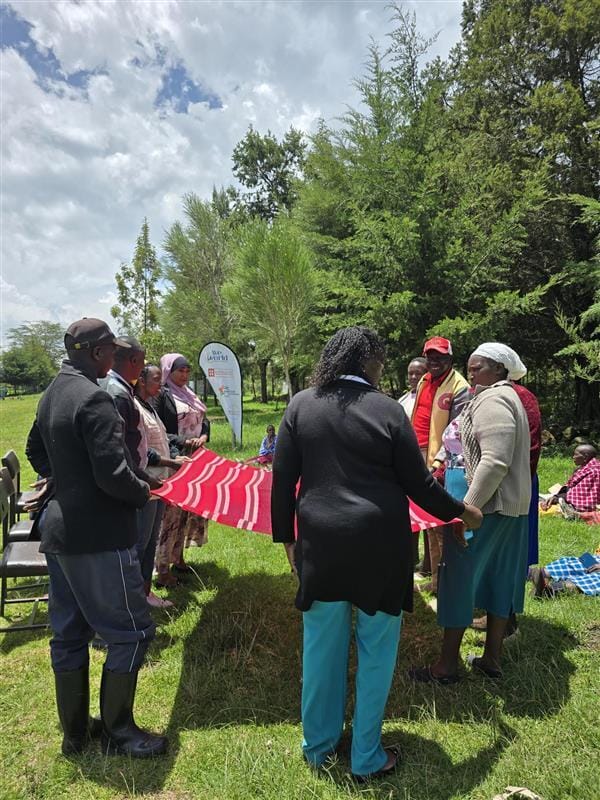
Initially, engagement was cautious. In Maasai culture, discussions around sexuality and adolescent behavior are often reserved for elders and handled within strict boundaries. Fathers, in particular, were less involved in day-to-day parenting conversations. However, as the sessions progressed, a gradual, but powerful shift began to take root.
Over the course of three years, the project reached 2,906 caregivers (998 males and 1,908 females) across Narok and Migori. By the third year, the approach evolved into a more responsive and community-driven model. Issues raised by learners during school-based motivational talks and sexual reproductive health (SRH) sessions were systematically shared with parents through the school administration and the PTE implementation team.
In schools such as Naisoya, where sensitive concerns emerged during learner sessions, including substance abuse, early sexual activity, and other risky behaviors, caregivers chose not to remain silent as per usual. Instead, they took an active role in addressing these challenges by coming together and working collaboratively with teachers, County Gender Representatives, Children’s Officers, and WeWorld facilitators to find lasting solutions for their children.
Similarly, during caregiver sessions in Olokuseroi, parents and community members demonstrated a strong sense of responsibility by collectively agreeing to extend support beyond what the PTE project offers. In response to concerns around teenage pregnancy and child marriage, they proposed the introduction of youth engagement sessions targeting young people within the wider community, aiming to ensure that no child is left behind.
This shift reflects a growing commitment to positive parenting, where caregivers are not only aware of the challenges facing their children, but also actively participate in guiding and protecting them. Notably, more fathers are now stepping forward to participate in discussions about their children’s wellbeing, breaking cultural barriers that once limited their involvement. As a result, families are fostering more open and supportive communication at home, while schools continue to strengthen guidance and counselling support for individual learners.

Today, the change is visible and deeply felt. Parents no longer see education as solely the school’s responsibility; they recognize their critical role as partners in their children’s future. Harmful practices are increasingly questioned, and communities are gradually embracing protective behaviors that prioritize safety and education access for their children especially girls.
What began as structured counselling sessions has grown into a community movement, where traditions and transformation go hand in hand. The PTE project has not only strengthened school retention, but has helped redefine parenting in part within the Maasai community. It is showing unequivocally that when families are engaged, informed, and empowered, lasting change is not only possible, but inevitable.
#EducateEveryChild