
Female Genital Mutilation/Cutting (FGM/C) remains a serious form of Gender-Based Violence affecting women and girls in Kenya.
While national prevalence has declined from 21 per cent in 2014 to 15 per cent in 2022, the practice persists at alarmingly high levels in some regions. In Narok County, for instance, prevalence has reduced significantly – from 78 per cent to 51 per cent, yet thousands of girls remain at risk. Progress has also brought new challanges: As awareness and enforcement increase, FGM/C has become more concealed, with cases of medicalisation and cross-border practices threatening to undermine hard-won gains.
“It often leads to early marriage because the girl is now considered a woman and allowed to “exercise womanhood.” This opens the door to a series of vulnerabilities - dropping out of school, teenage pregnancy, limited economic opportunities, and a lifelong cycle of disadvantage,” she continues.
WeWorld Kenya has been supporting locally led efforts to end FGM/C in Narok County, guided by the understanding that lasting change can only take root when it is driven by the very communities where the practice persists.
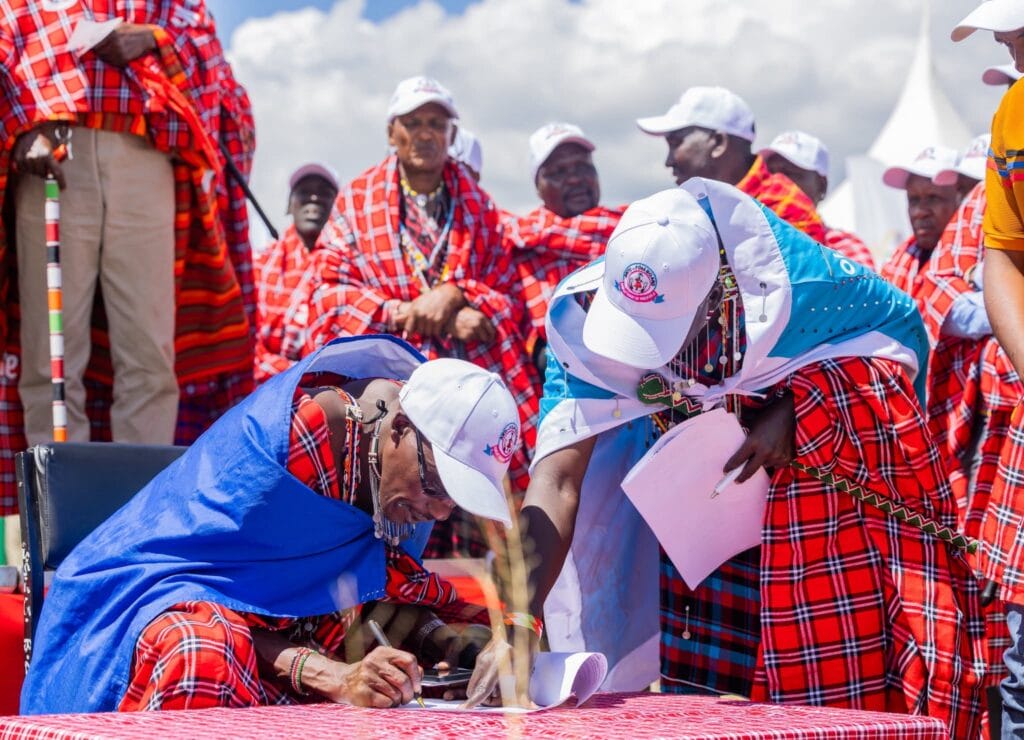
A key milestone of this process was the community-led declaration by Maasai elders to abandon FGM/C, signaling a powerful shift in cultural leadership and accountability.
WeWorld's contribution
WeWorld’s approach in Narok weaves together dialogue, coordination, and policy action. Through the Narok Gender Technical Working Group, the organization has helped align community leaders, institutions, and political actors around a shared goal: ending FGM/C once and for all.
On the ground, change often begins in intimate, culturally familiar spaces. Through the IMARA Consortium and local partners, WeWorld has facilitated male engagement dialogues known as Orpul, a traditional male-engagement avenue in the Maasai community. “Orpul is a co-created method that naturally exists in Maasai culture,” explains Lynet Audi. “Traditionally, Maasai men would leave their homes for about a month to discuss issues related to safeguarding and maintaining the culture. We are now adapting this same approach for gender dialogue.”
She continues, “During Orpul, we hold what we call the “goat-eating sessions,” where men gather to share a meal and have guided, incremental discussions about key gender issues.”
Here, conversations move beyond taboo. Sexual and reproductive health, the lifelong health risks of FGM/C, and the legal and human rights implications of the practice are openly discussed. Complemented by structured capacity-building sessions for the Maasai Council of Elders and leaders, these dialogues are equipping community gatekeepers with knowledge, and the confidence, to advocate for abandonment from within.
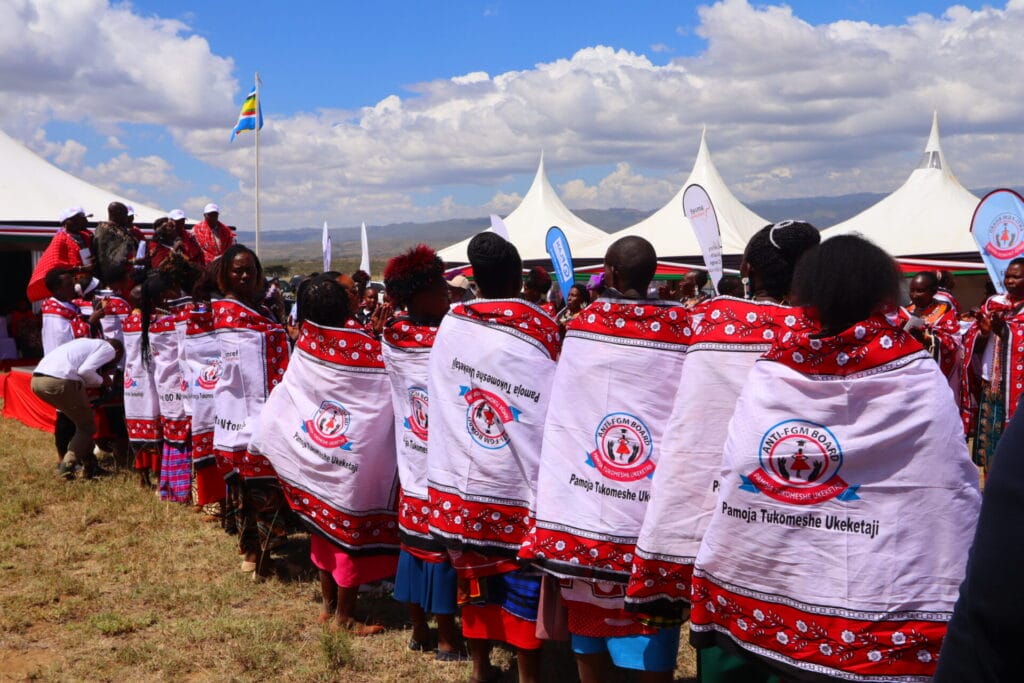
Community momentum has been matched with policy engagement at the county level. WeWorld has worked closely with women’s groups and county leadership to support the implementation of Narok’s Anti-FGM/C and Gender Policies, helping turn commitments into concrete action.
To ensure sustainability, formal mechanisms were put in place, including an executive memo and a gender policy matrix adopted by county leadership. These tools have helped secure political will, allocate resources, and keep stakeholders accountable - bridging the gap between community voices and government responsibility.
Celebrate culture as a crown, not a chain. Abandon practices that harm and embrace a future where girls are protected and empowered.” - Kenya’s First Lady, H.E. Mama Rachael Ruto, reinforced this message.
A collective movement forward
The Narok declaration is more than a symbolic gesture, it is proof that cultures are not static. They grow, adapt, and choose life when given the space to reflect and lead. In Narok, elders, women, youth, civil society, and government are moving together toward a shared vision: one where girls grow up safe, whole, and free to thrive.
As this collective movement continues to gain ground, WeWorld remains committed to walking alongside communities in Narok County and beyond, supporting a future free from FGM/C, where culture protects and uplifts every girl.